
Boiler Repair or Replacement: How to Make the Right Decision
By DS Plumbing and Heating
Start with the fault, not the age of the boiler
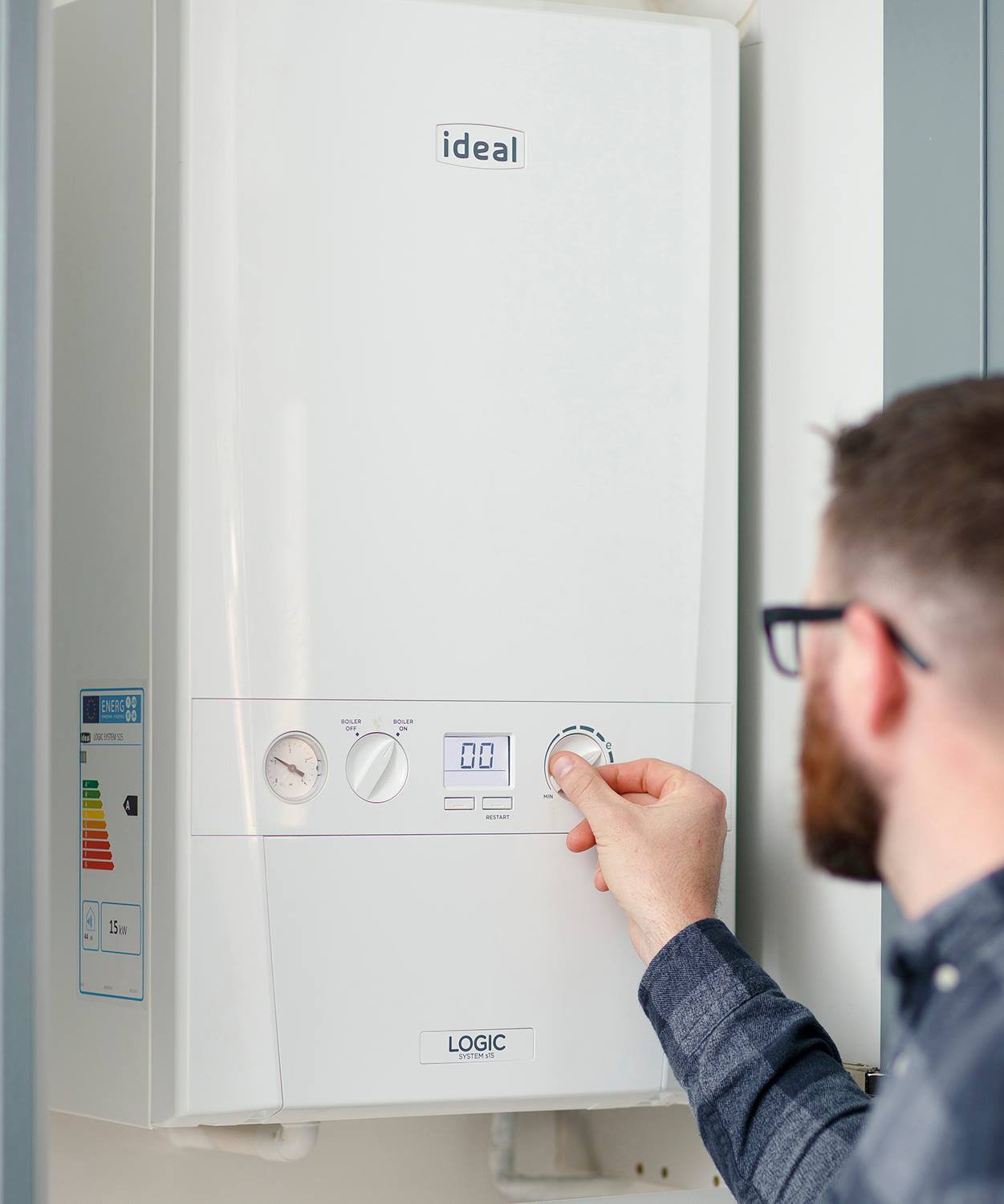
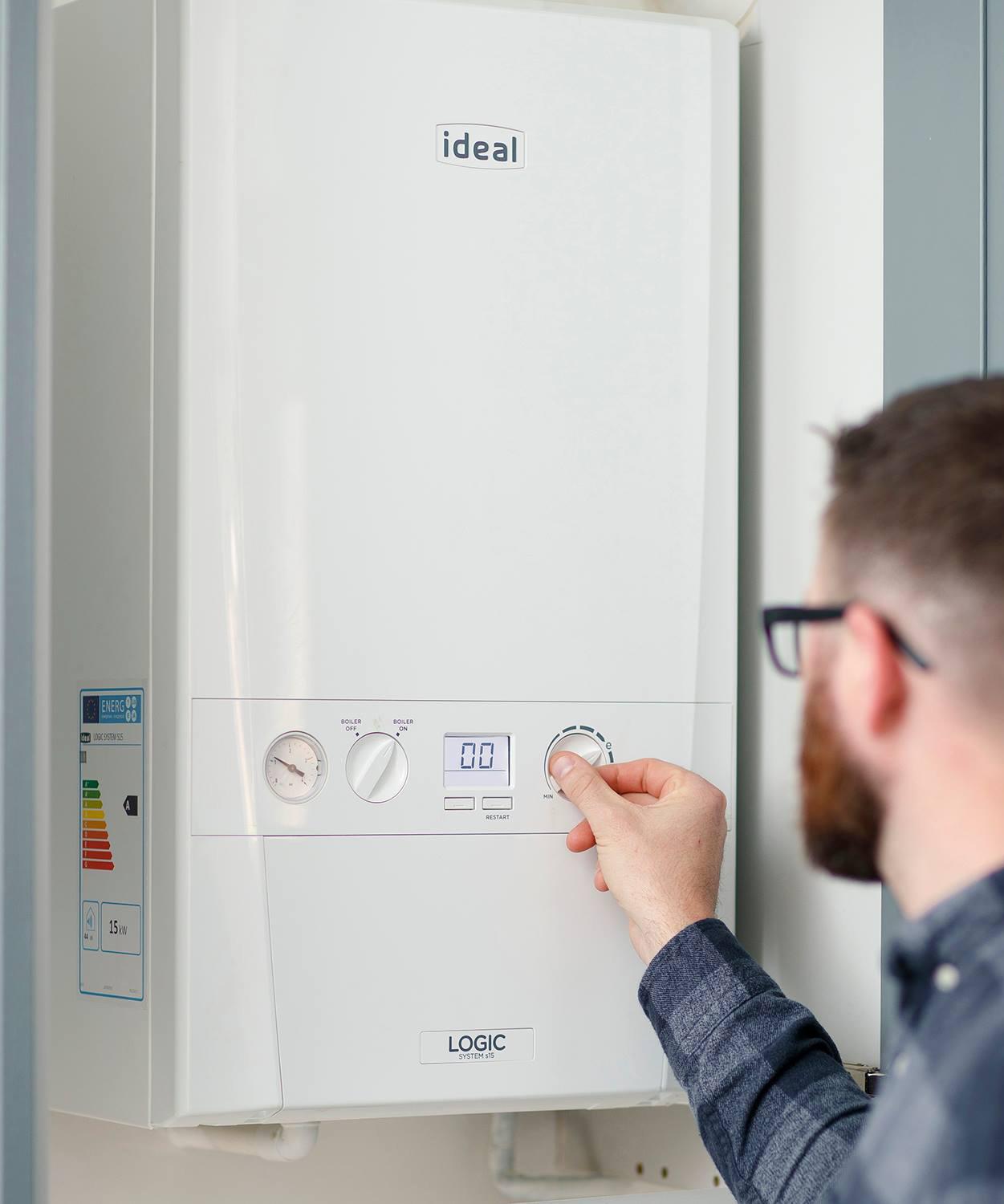
When a boiler stops working, it is easy to assume that an older appliance should be replaced or that a single repair will put everything right. Neither assumption is reliable on its own. The useful starting point is to identify what has failed, what caused it and whether the fault is isolated or part of a wider pattern.
A boiler may stop heating because one component has failed, but the same symptom can have different causes. Replacing a part without understanding the cause can leave the original problem in place. Equally, a clear, isolated fault does not automatically mean the whole boiler has reached the end of its useful service. Diagnosis gives you a sounder basis for comparing repair and replacement.
Our Boiler Repairs service can help identify the fault and repair options. The decision after diagnosis should take account of more than the immediate symptom.
Weigh the repair against the boiler’s wider condition
Consider these points together rather than treating any one of them as a rule:
- The nature of the fault: Is there one identifiable failure, or are several parts showing problems? A repair may make sense where the fault is limited and the rest of the appliance is in reasonable condition. Multiple faults can make the overall outlook less certain.
- The repair history: A boiler that has needed attention repeatedly may be telling you something different from one with a first, isolated breakdown. Ask whether earlier repairs dealt with separate issues or whether the same underlying problem keeps returning.
- The condition of the appliance: Corrosion, leaks or damage around the boiler can affect the decision, especially if they point to deterioration beyond the part that first drew attention. A qualified engineer needs to establish what is actually happening rather than infer the condition from one visible sign.
- Parts and practical repair options: The decision depends on whether a suitable part can be obtained and whether fitting it is likely to address the fault. If a repair cannot be completed appropriately, replacement may need to be considered.
- How the system performs overall: Think about whether the boiler reliably provides the heating and hot water you need, not just whether it can be made to run again. A repaired boiler can still leave you with recurring problems or poor performance elsewhere in the system.
When repair is the more straightforward option
A repair is often the sensible option to explore first when diagnosis identifies a specific fault, the appliance is otherwise in sound condition and a suitable repair is available. The key is that the work should address the cause, not simply clear a fault indication or restore operation temporarily.
Before agreeing to work, ask what has failed, what evidence supports that diagnosis and whether anything else could be contributing. You should also understand what the repair is expected to resolve and what remains uncertain. Those answers help you judge whether repair is a proportionate next step, without treating a new boiler as the default response to a breakdown.
When replacement deserves serious consideration
Replacement becomes a stronger option when problems are recurring, several components are deteriorating, or a suitable repair is not practical. It may also be worth considering where the boiler’s ongoing performance is no longer meeting your household’s needs. The question is not simply whether another repair can be attempted, but whether that repair is likely to leave you with a dependable system.
A replacement involves more than choosing an appliance. The existing heating setup, controls and connection points can affect what is suitable and what work is involved. In homes around Inverness, Grantown-on-Spey and the wider Highlands, the right answer depends on the boiler and system already in place. That is why a recommendation should follow an assessment of your actual installation rather than a general rule based on age alone.
Make the decision with clear information
Ask for the diagnosis to be explained in plain language. Find out which component or condition is responsible, whether the problem is isolated, and what the likely outcomes are for repair and replacement. If there is an immediate safety concern, take the engineer’s advice and do not attempt work inside the boiler yourself. Gas work should be handled by a Gas Safe registered engineer.
We are Gas Safe registered, and the right recommendation still depends on the findings for your boiler. If you are weighing up repair against replacement, speak with us at DS Plumbing and Heating about the fault and your existing heating system. You can also read more about our Boiler Repairs service.
